







Search Results for: light roast extraction
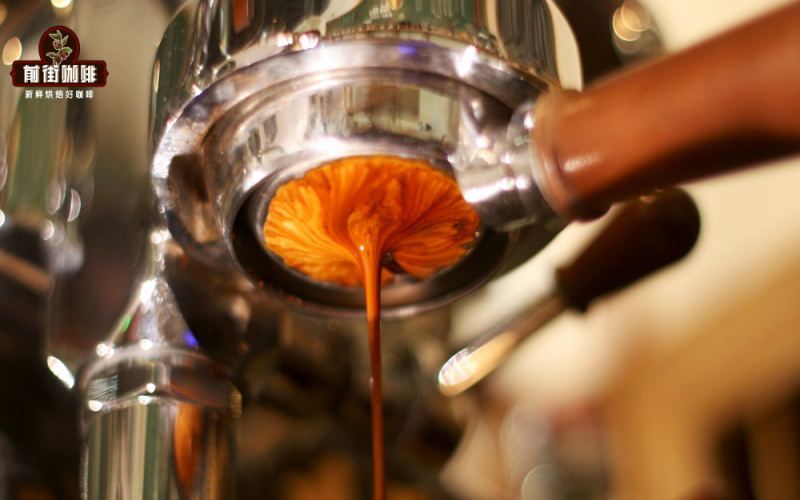
Are Light Roast Coffee Beans Suitable for Espresso? A Full Analysis of Grind, Dose, Pressure Adjustment, and Flavor Performance
Can light-roast coffee beans hold their own in espresso? This is a question many coffee lovers are curious about. Building on Front Street Coffee's previous tests, this article further sorts out the practical key points and flavor tendencies of making espresso with light-roast beans. Starting from common misconceptions, the article analyzes why light-roast espresso tends to be sharply acidic, and breaks down one by one how the three key variables—grind size, dose, and extraction pressure—should be adjusted. At the same time, for different taste preferences, it recommends suitable beans such as Front Street Coffee's Classic Blend, Commercial Blend, PWN Golden Mandheling SOE, and Strawberry Candy Espresso. Finally, it objectively describes the drinking experience of light-roast espresso to help readers decide whether it is worth a try. [more…]
A Guide to Extracting Light-Roast Espresso Beans: Flavor Characteristics, Common Issues, and Bean Selection Tips for Home Espresso Machines
Can light-roast coffee beans hold their own in espresso? Building on Front Street's earlier tests, this article takes a closer look at the flavor performance and key operating points of making espresso with light-roasted beans. From the causes of sharp acidity and channeling to adjustment strategies for grind size, dose, and pressure, it breaks down the pitfalls in extraction one by one. At the same time, for home and office scenarios, it recommends coffee beans with different positioning, such as Front Street Classic Blend, Commercial Blend, PWN Golden Mandheling SOE, and Strawberry Candy Espresso, helping coffee lovers find the espresso that suits them among acidity, crema, and sweetness. [more…]
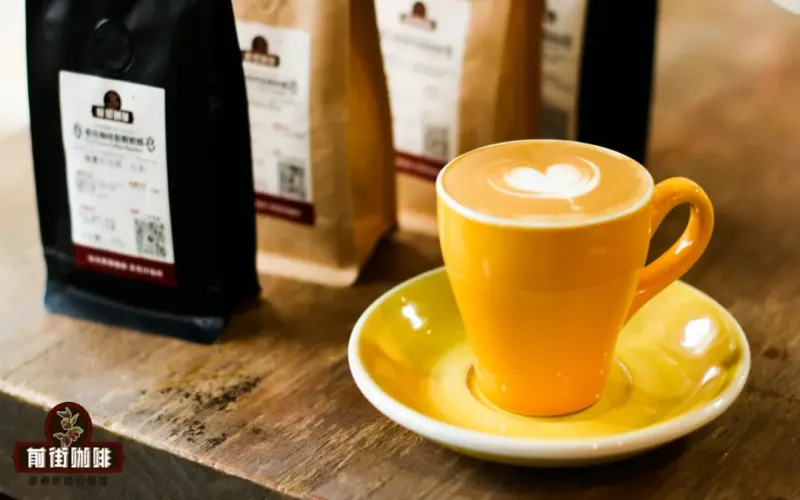
Is It Feasible to Make Espresso from Single-Origin Beans for Pour-Over? Differences Between Light Roast and Blend Beans and Extraction Adjustment Approaches
Many coffee enthusiasts stock up on single-origin pour-over beans during Front Street Coffee's monthly limited-time events, yet their purpose is to make espresso. However, single-origin beans are mostly medium-light or light roasts, which differ significantly in roast level from the dark roasts commonly used for espresso. Directly applying dark roast parameters often results in espresso that is sharply acidic and thin. This article focuses on this topic, first explaining the essential differences in density and brittleness between dark and light roast beans, then providing grinding adjustment ideas and reference formulas for light roast single-origin beans, and finally, from the two directions of dose and milk ratio, explaining how to keep light roast espresso from being diluted and masked in milk-based coffee, along with practical tips for making milk coffee. [more…]
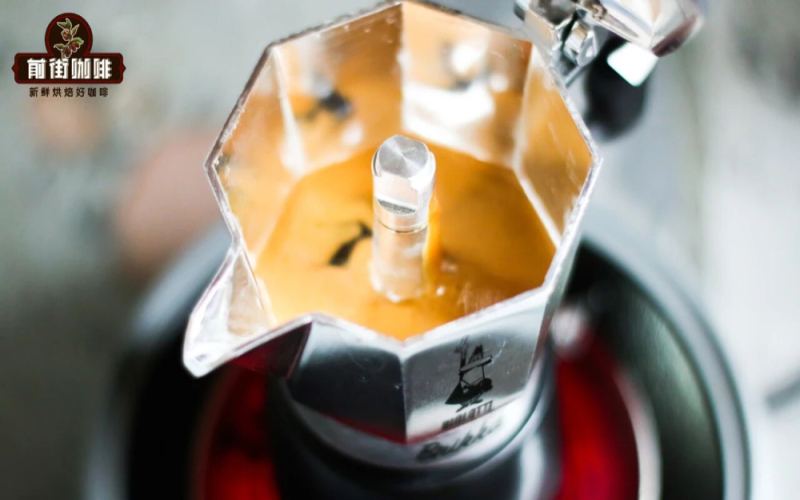
How to brew light-roast beans in a moka pot for the best taste? A full analysis of flavor, crema, and milk coffee issues
Many Moka pot users are accustomed to using dark roast beans because they are rich in oils and have a full-bodied, caramelized aroma. But when switching to light roast beans, they often run into problems like sharp acidity, sputtering during extraction, thin oils, and weak milk coffee. In fact, light roast beans aren't unsuitable for Moka pots—it's just that the extraction parameters need adjusting. This article breaks down the common reasons light roast beans go wrong in Moka pot coffee, offering solutions one by one from grind size and coffee dose to heat level and milk coffee ratio, while keeping product recommendations like Front Street Coffee's classic blend, helping you make a cup of well-balanced, clearly flavored coffee even with light roast beans. [more…]
Moka Pot Coffee Bean Recommendations | Is Light Roast Coffee Suitable for Brewing in a Moka Pot? Introduction to Moka Pot Coffee Grind Size and Dosage Parameters
After drinking too much coffee of a certain flavor, we always want to try something new. For example, some friends who use moka pots, although they usually buy deeply roasted coffee beans full of caramel aroma to make moka pot coffee, occasionally want to switch to light-roasted beans to experience the floral and fruity notes of light-roasted coffee. However, due to online [more…]
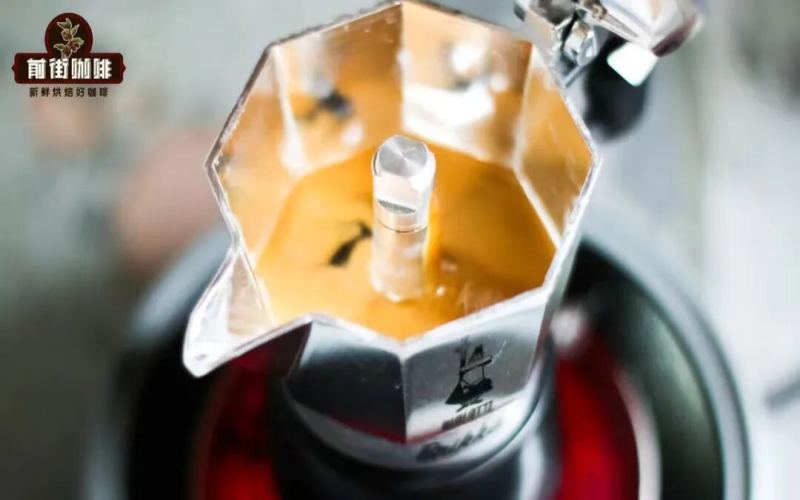
Moka Pot Coffee | Why Do Light Roast Coffee Beans Often Fail in a Moka Pot? What Should You Watch Out for When Making Moka Pot Coffee with Light Roast Beans?
After drinking too much coffee of a certain flavor, we always want to switch things up and try something new. For example, some friends who use moka pots, even though they usually buy deeply roasted coffee beans full of caramelized aroma to make moka pot coffee, occasionally want to switch to light roast beans and experience the floral and fruity notes of light roast coffee. However, due to the [more…]
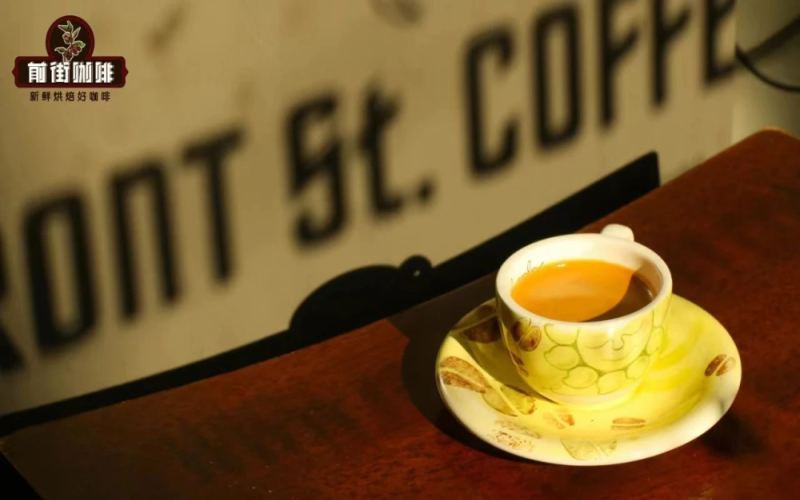
A Complete Parameter Guide to Making Espresso with Light-Roast Coffee Beans: Key Adjustment Points for Grind, Dose, Time, and Milk Coffee Ratios
Espresso is typically based on medium-dark or dark roasted coffee beans, because the caramelized aromas blend more harmoniously with milk. However, drinking the same flavor over the long term inevitably becomes monotonous, and many coffee enthusiasts turn to light roasted beans with prominent floral and fruity notes, such as Front Street Coffee Huakui SOE or Front Street Coffee Strawberry Candy espresso blend, which when used to make a latte can highlight creamy smoothness and berry-cocoa notes. Yet the difference in density and brittleness between light and dark roasts is significant, and using dark roast parameters to extract light roasted beans often results in espresso that is sharply acidic and thin, with an unbalanced mouthfeel once milk is added. This article systematically sorts out the five core parameters that need adjustment when switching from dark roast to light roast: the grind size needs to be adjusted finer by 2 to 4 steps, the dose increased by 0.5 to 1 gram, the extraction time extended to 28 to 40 seconds, the brew ratio loosened to about 1 to 2.5, and the amount of milk appropriately reduced to avoid masking the coffee's true flavor. All adjustments are premised on the freshness of the coffee beans, and Front Street Coffee ships everything freshly roasted within 5 days, with 24-hour shipping support, ensuring the flavor is at its best. [more…]
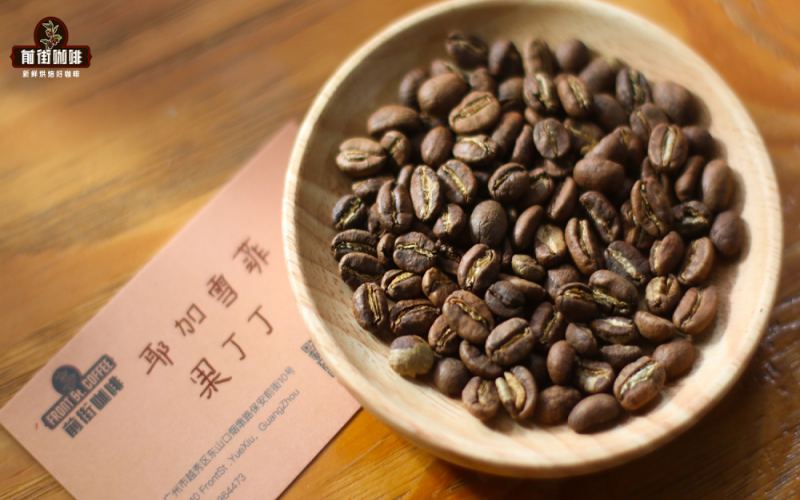
Light Roast Coffee Pour-Over Extraction Parameters | Are Light Roast Coffee Beans Only Sour? 5 Light Roast Specialty Pour-Over Coffee Beans with Rich Fruity Flavors
For pour-over brewers, the first thing to consider before developing a brewing plan is the roast level of the coffee beans, as the extraction performance of coffee differs across roast levels. Light roast beans, due to their lighter roast level, retain more floral and fruity aromas, and are therefore deeply loved by coffee enthusiasts. So which coffee beans are considered light roast? Today [more…]
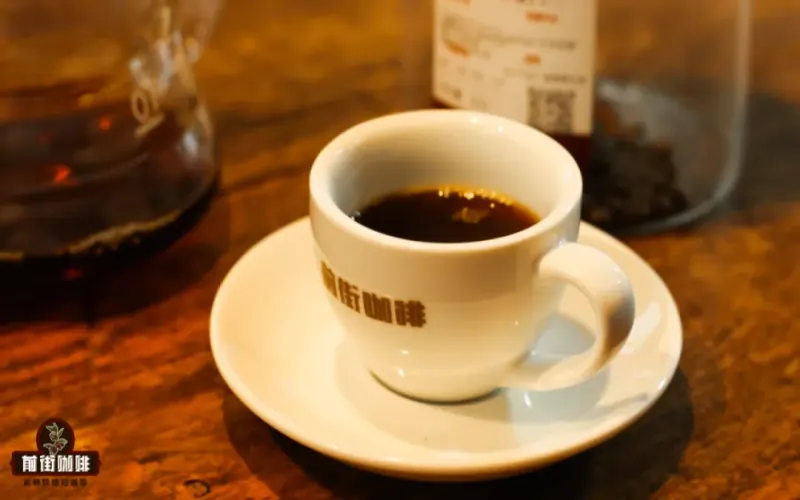
Why Is Light-Roast Coffee Prone to Astringency? A Comprehensive Analysis from Causes to Brewing Parameters for Astringency Control
Have you ever experienced a gripping, astringent sensation in your mouth when tasting a light roast coffee? This tactile experience, known as astringency, is in fact closely related to the polyphenolic compounds in coffee. Starting from the essence of astringency, this article will analyze in detail its sources—how components such as tannic acid, tartaric acid, and quinic acid accumulate in the cup—explore the effects of roast level, variety, and processing method on the content of astringent substances, and take a deep dive into the two major brewing pitfalls: under-extraction and over-extraction. Finally, using a washed Yirgacheffe Gedingding as an example, Front Street Coffee will share a brewing recipe that avoids astringency and fully brings out the floral and fruity notes of light-roasted beans. [more…]
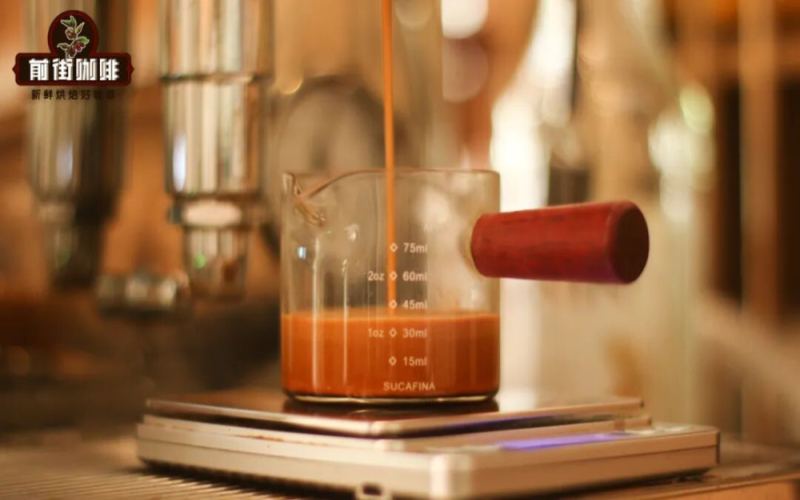
How to Extract Light-Roast SOE Espresso for the Best Flavor? Single-Origin Bean Characteristics and Practical Adjustment Methods
Making espresso with light-roast single-origin beans always turns out sharp, thin, and short on finish? The problem often isn't the beans themselves, but that your extraction approach hasn't kept pace with the roast level. Drawing on Front Street Coffee's practical experience, this article breaks down the flavor characteristics and common pitfalls of light-roast SOE, and lays out a complete method: start with a universal formula, then fine-tune step by step based on your drinking purpose and flavor performance. Whether you want to drink it straight, make an americano, or add milk, you'll find the corresponding direction for adjustments, so that light-roast SOE is no longer just a synonym for "sour." [more…]
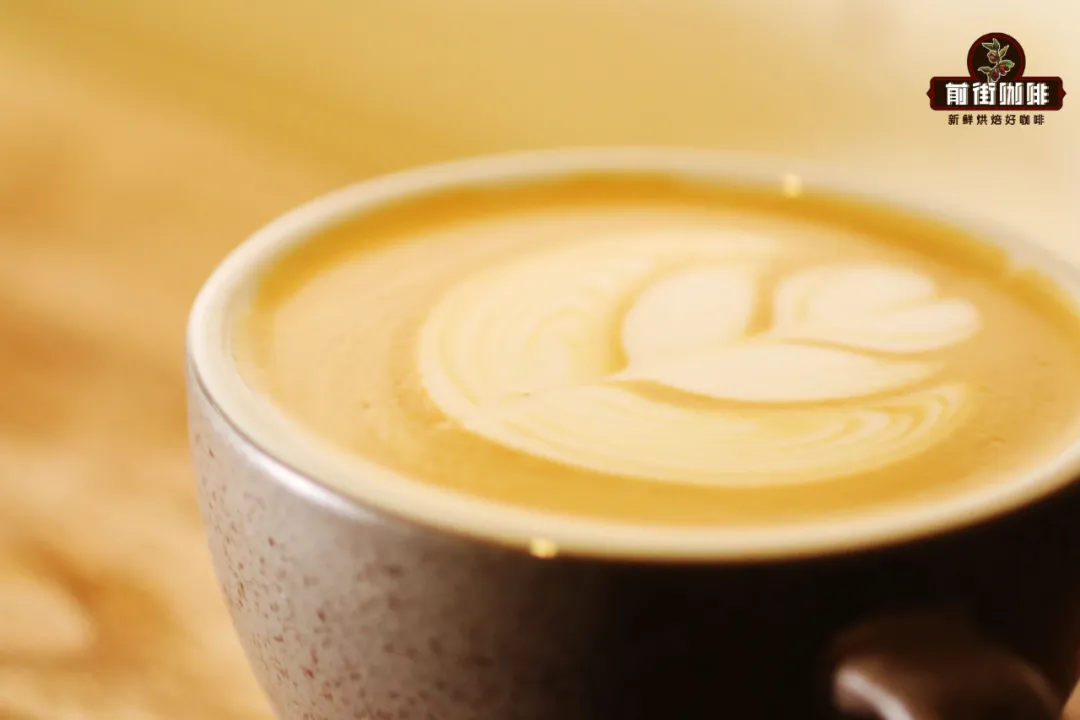
Pour Over Beans for Espresso | Can Light Roast Coffee Beans Be Used for Espresso? An Introduction to the Flavor, Taste, Extraction Ratio, and Grind Size Parameters of Light Roast Single-Origin Espresso
It is generally accepted that the coffee beans used for espresso are roasted to a relatively dark degree. Among coffee roast levels, there is one called "Italian Roast," with an Agtron color value of 25. It is the darkest of the eight roast levels, and coffee beans of this type usually have a surface that [more…]
A Practical Analysis of Light-Roast Coffee Beans for Espresso: Comparing the Americano and Latte Performance of Three Ethiopian Beans
Traditional Italian-style coffee mostly uses darker roasted beans, but nowadays many cafes have begun trying to make espresso with light-roasted beans. This article, through extraction experiments with three Ethiopian light-roasted beans—Front Street Huakui, Gudingding, and Dorothy—records in detail the parameter adjustments and flavor performance. The tests found that making Americano with light-roasted beans can well preserve the original fruity acidity and aroma, among which the Dorothy Americano performed especially prominently; however, after being made into a latte, the coffee flavor is generally too weak and easily masked by milk. The article also shares practical adjustment experience regarding grind setting, pre-infusion, pressure, and extraction time, providing reference for coffee enthusiasts who want to try light-roast espresso. [more…]
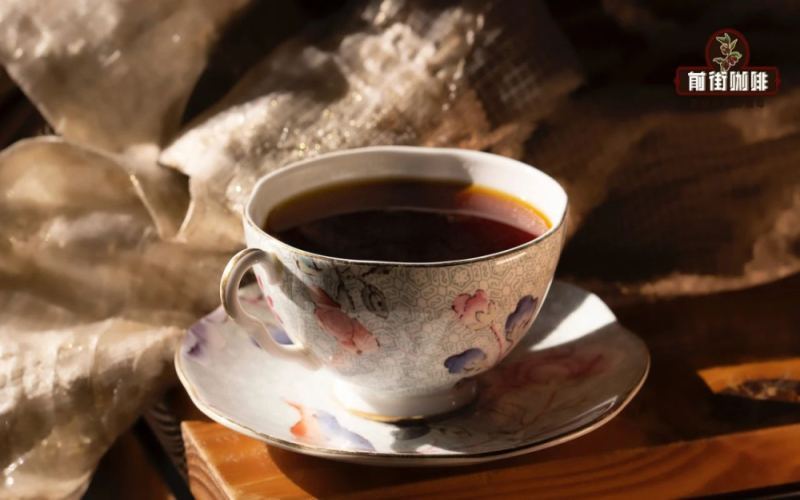
Flavor Characteristics of Light Roast Coffee Beans and Pour-Over Parameters Explained: From Roast Curve to Extraction in Practice
Green coffee beans go through multiple stages during roasting, including dehydration, yellowing, first crack, and second crack. Light roast beans are usually dropped between the middle of first crack and before first crack ends, retaining more organic acids and therefore presenting bright acidity and delicate aromas. This article begins with the differences between light and dark roasts, then details the flavor characteristics of light roast coffee beans, and recommends five Front Street light roast beans suitable for beginners, covering origins such as Ethiopia, Kenya, and Panama. In addition, the article shares Front Street's three-stage pour-over recommendations, including coffee-to-water ratio, water temperature, grind size, and pouring rhythm, to help you better extract the floral and fruity notes of light roast coffee. [more…]
The Complete Guide to Pour-Over Light Roast Coffee: Solve the Slow Flow and Water Pooling Problem, Easily Brew Sweet Flavors
Light roast coffee beans are beloved for their bright floral and fruity aromas, but many enthusiasts often run into slow flow rates and easy pooling when brewing pour-over at home, ultimately extracting nothing but a monotonous sour taste. This actually has a lot to do with the physical structure of light roast beans: with a light roast level, the bean body is dense, the carbon dioxide content is low, and both water absorption and degassing capacity are weak, causing fines to easily settle and clog the dripper. This article will take a deep dive into the difficulties of pour-over brewing with light roast beans, and drawing on Front Street Coffee's brewing experience, share how to effectively enhance the sweetness and complexity of coffee by adjusting water temperature, pouring technique, and staged extraction, so you can consistently brew a well-balanced cup with both acidity and sweetness at home. [more…]
Can Lightly Roasted Coffee Beans Be Used for Espresso? Testing Huakui, Gudingding, and Dorothy in Americano and Latte
Espresso typically uses darker-roasted beans, but can light roasts handle espresso extraction? Front Street Coffee conducted experiments with three Ethiopian beans: Huakui, Gudingding, and Dorothy. By adjusting grind size, pre-infusion time, and pressure, they made espresso, Americano, and latte respectively, comparing the flavor performance. The results showed that light-roasted beans in Americano can showcase bright fruit acidity and floral notes, but in latte the coffee flavor is easily masked by milk. This article documents the experimental parameters and tasting impressions in detail, providing a reference for enthusiasts who want to try light-roast espresso. [more…]
Can Light Roast Coffee Beans Make Espresso? A Practical Guide to Grind Settings for Huakui Latte
Many coffee enthusiasts are curious: can light-roasted coffee beans actually be used to make espresso? The answer is yes, but you need to master a few key techniques. Compared with medium-dark roasted beans, light-roasted beans, due to their high density and low brittleness, produce coarser particles at the same grinder setting, which easily leads to under-extraction and a sharp, pungent sourness. Using Front Street Ethiopia Huakui as an example, this article explains in detail how to make light-roasted beans into a delicious espresso with a round, sweet-and-sour profile and berry and floral notes by adjusting the grind finer, extending the extraction time, increasing the liquid yield, and adjusting the milk coffee ratio. Whether you want to try an Americano or a latte, these practical parameters can help you get started easily. [more…]
Can Light Roast Coffee Beans Be Used for Espresso? A Real-World Test of Front Street Huakui, Gudingding, and Dorothy in Americano and Latte
People generally assume that espresso must be made with dark-roasted beans, but nowadays quite a few cafés have already lowered the roast level to City roast or even lighter. This time, Front Street Coffee used three light-roasted Ethiopian beans—Huakui, Gudingding, and Dorothy—to pull espresso separately and make Americanos and lattes, wanting to see how light-roasted beans actually perform in espresso. The experiment found that light-roasted beans tend to preserve bright fruit acidity and floral aromas when made into an Americano, but the flavors are easily overpowered by milk when made into a latte. If you also want to try using light-roasted beans for espresso, first adjust the grind finer, control the pressure and pre-infusion time, and you may be rewarded with an unexpectedly juicy espresso. [more…]
A curated guide to light-roast coffee beans: flavor profile analysis and practical pour-over parameter recommendations
The flavor profile of pour-over coffee is often foreshadowed at the bean selection stage, and the roast level is the most critical part of it. Light-roasted coffee beans, due to shorter roasting time and lighter dehydration, retain more of their original floral and fruity aromas and organic acids, presenting a bright and richly layered cup performance. However, many friends who have just encountered light-roasted beans often have a misunderstanding, thinking that light roast equals sour and hard to swallow. In fact, a high-quality light roast coffee should be in a balanced state of sweetness within the acidity, weak bitterness, and elegant aroma. This article will start from the definition of light-roasted beans, introduce five Front Street light-roasted coffee beans suitable for beginners one by one, and include a complete three-stage pour-over operation process and parameter suggestions to help you more calmly extract the ideal flavor of light-roasted coffee. [more…]
A Complete Breakdown of SOE Espresso Extraction Details: Grinding, Ratios, and Flavor Adjustment Techniques for Light-Medium Roast Espresso Beans
Making SOE with light-roasted beans is one of the more challenging aspects of espresso extraction. Drawing on the hands-on experience of Front Street Coffee, this article explains in detail how to set the extraction formula, how to adjust the grind setting according to the roast level, and provides troubleshooting approaches and adjustment plans for three common problems: sharp acidity with no lingering aftertaste, excessive bitterness from over-extraction, and thin crema. The core logic is: light-roast SOE requires higher extraction efficiency, and a brew ratio of 1:2 with a time of 30–35 seconds is a common starting point, but the final taste still depends on cupping judgment—fine-tuning the grind size and the yield are the keys that determine success or failure. [more…]
SOE Single-Origin Espresso Brewing Guide: Flavor Characteristics and Parameter Adjustment Tips for Light and Medium Roasts
Many coffee enthusiasts have wondered: how exactly should medium-light roasted single-origin beans be pulled as espresso? If you simply apply the conventional parameters for dark-roasted Italian-style beans, it is often hard to achieve the ideal flavor. In fact, no matter what beans you use, the core logic of extraction is always the same—maximize the good flavors and avoid the negative ones. This article centers on the extraction approach for SOE, starting with medium-roasted fruity beans, sorting out the three major steps of clarifying your drinking purpose, applying the standard formula, and fine-tuning based on flavor, while offering specific solutions to three common problems: sharp acidity, mixed bitterness, and a thin, bland taste. It also illustrates these points with the actual parameters of several SOE products from Front Street Coffee. [more…]